Of Interest
News, events, and articles for the Ridgetop Lakes community
How Sand Affects the Health of Roaring Brook Lake
From the Roaring Brook Lake web site — rblpoa.com/protect-the-lake/reclaiming-sand
While Roaring Brook Lake has used sand for decades to build and replenish the beaches, we now recognize that sand can have a negative impact on the water quality and overall health of the lake — algae blooms, decrease in lake depth, loss of fish habitat and declines in fish population.
Silting
Sand does not stay put. Every footstep on the beach pushes it downhill toward the water. Sand that doesn't drift away eventually works its way into the lake bottom, contributing to silting-in, making the lake shallower and warmer, supporting algae growth, and lowering oxygen — conditions detrimental to our fish.
Water Clarity
Beach sand is different from native lakebed soil. Because sand drifts easily in water, it clouds it, preventing UV light from disinfecting bacteria in the lake — a natural process necessary for good water quality.
Biological & Chemical Impact
Deposited sand smothers bottom-dwelling algae and invertebrates, destroys spawning and nesting sites, and can clog the gills of native fish. Beach sand may also contain phosphorus and iron-rich contaminants that wash into the lake and disrupt its natural chemistry.
The Birds of New York
Presented by Bill Fiero
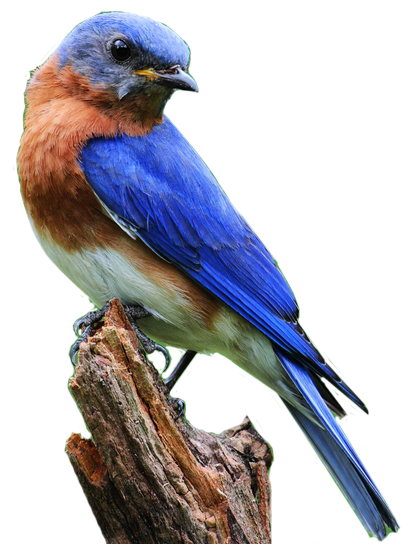 The Ridgetop Lakes Conservancy hosted a free public presentation of Bill Fiero's Birds of New York State at the YLPA Clubhouse. We had participants from Masten Lake, Wanaksink Lake, Yankee Lake, and Wolf Lake. Bill showed slides of the birds, their habitats and ranges, played audio of many of their calls, and discussed habitat loss, environmental challenges, and the impacts of climate change on bird territories.
Learn more about birds and conservation in New York at Audubon New York.

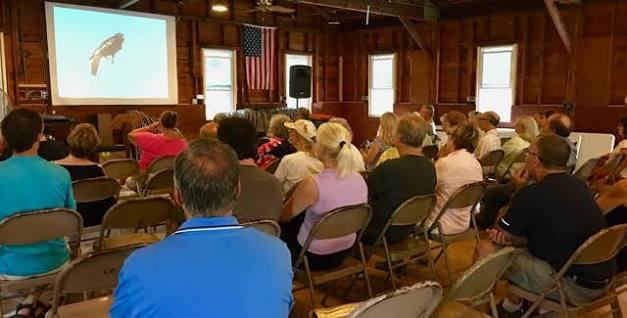
Ravensbeard Presentation at Yankee Lake
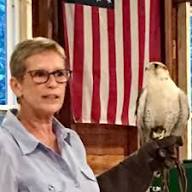
The RLC sponsored a presentation by Ravensbeard at the Yankee Lake Preservation Association's clubhouse. Attendees were treated to up-close introductions to a number of beautiful birds — falcons and owls. Wildlife rehabilitator Ellen Kalish showed each bird and described how and why it came to Ravensbeard.
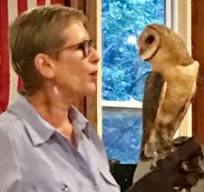
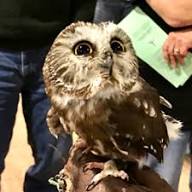
Ravensbeard is a not-for-profit organization based in Saugerties, New York — ravensbeard.org.